
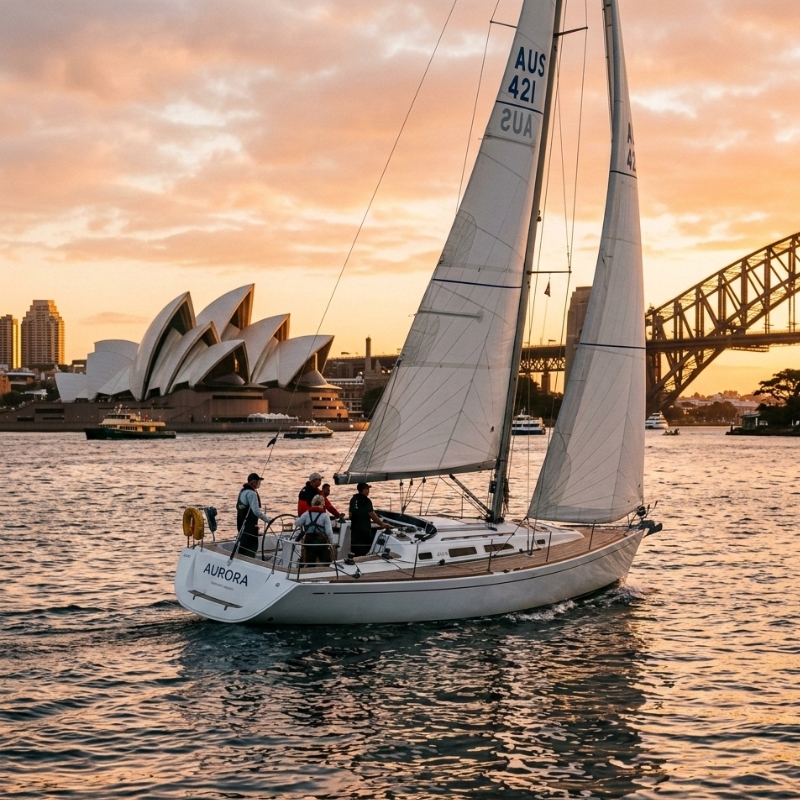
Sydney Harbour is one of those rare places where the same stretch of water can feel completely different depending on the season, the wind direction, and even the hour of the day. Add in weekend traffic, school holidays, and those iconic sunset moments, and “best time to sail” becomes less about one perfect answer and more about matching conditions to the kind of day you want.
This guide breaks it down in practical terms so you can plan with confidence across Sydney Harbour and the greater Sydney/Pittwater region in NSW. You’ll learn what each season is like, how wind strength and direction shape the feel of the harbour, how harbour traffic and wash change through the day, and how to time a sunset sail without guessing.
If you’re weighing up dates and conditions, it helps to plan a Sydney Harbour sail around the time window that best matches your group’s comfort level.
What “best time” actually means on Sydney Harbour
Before we talk months and seasons, it helps to pick your priority. Most people want one (or two) of these outcomes:
- A more comfortable ride with less wash and less movement
• More consistent breeze for sailing (without it getting “too much”)
• Warm, comfortable temperatures (not scorching, not freezing)
• Fewer boats and a quieter feel
• The best light for photos and skyline views
• A relaxed itinerary that avoids the busiest periods
Sydney’s day-to-day patterns often mean lighter winds and less wash early, a more established breeze later, and a mood shift again around sunset.
Quick answer
- For the most comfortable all-round conditions (mild temps, good daylight, manageable traffic), spring and autumn are usually the easiest pick.
• For an easy, comfortable ride, earlier sessions often have lighter winds and less harbour wash.
• If you want a more “proper sailing” feel, afternoons often bring stronger breezes (great fun, but more movement).
• For iconic photos and ambience, late afternoon into sunset is the winner—just match timing to the forecast and day length.
• For a quieter harbour feel, weekdays are typically less busy than weekends.
Best season to sail on Sydney Harbour (and what to expect)
Sydney is sail-friendly year-round, but each season has its own personality. Here’s what typically changes: temperature, daylight hours, wind tendencies, and how busy the harbour feels.
Summer (Dec–Feb): Warm water, busy harbour, afternoon breezes
Summer is peak “Sydney on the water” season. Expect warmer temperatures, longer days, and more boat traffic—especially on weekends, public holidays, and during school holiday periods.
What summer is great for
• Swimming stops and warm-weather comfort
• Longer daylight for flexible start times
• Sunset sessions that feel lively and iconic
What to plan around
• Heat and UV exposure (it can feel stronger on the water)
• Crowds: ferries, tour boats, private boats, and events can add traffic and wake
• Afternoon breezes can build, which is brilliant for sailing but can mean more heel and movement on board
Practical summer tips
• Aim for an earlier start if you want a more comfortable ride with less wash and less movement and less traffic
• Pack sun protection you’ll actually reapply (hat, sunnies, sunscreen)
• Bring a light layer anyway—harbour breeze can cool you faster than you expect
Q&A: Is summer best for a comfortable day on the harbour?
Summer is ideal if you want warmth, long daylight, and a lively harbour atmosphere. For comfort, many groups prefer starting earlier when winds and traffic are often lighter, then letting the afternoon breeze add more sailing feel if it builds.
Autumn (Mar–May): The “sweet spot” for comfortable sailing conditions
Autumn is often the season people quietly fall in love with. The water can still feel inviting, the air is usually comfortable, and the harbour often feels a touch less frantic than mid-summer.
What autumn is great for
• Comfortable temperatures without peak summer heat
• Often a relaxed vibe, especially outside Easter and school holiday spikes
• Great light for skyline photos and sunset colours
What to plan around
• Daylight starts shrinking, so sunset timing becomes more important
• Weather changes can still arrive quickly—check the forecast and have a plan B
Practical autumn tips
• If sunset is the goal, set your start time based on the season (sunset shifts earlier through autumn)
• Bring a light jacket for later in the day, even if it’s warm at midday
Q&A: What time of day feels most comfortable in autumn?
Autumn often starts with lighter winds and less wash, then can build into a more confident sailing breeze later. If your priority is comfort and easy socialising, plan earlier. If your group wants a more athletic sailing feel, aim for a later window—while still keeping an eye on any forecast changes.
Winter (Jun–Aug): Crisp air, clearer days, fewer crowds
Winter sailing in Sydney surprises people—in a good way. The air is cooler, of course, but winter can also bring bright, blue-sky days and a noticeably quieter harbour.
What winter is great for
• Fewer crowds and a more peaceful feel
• Clear air and sharp visibility for landmarks
• Comfortable sailing if you dress well (layers matter)
What to plan around
• Shorter days: earlier sunsets and less flexibility
• Cooler wind chill on the water, especially when you’re moving
• Wind direction patterns can feel different—some winter days have lighter winds, while others are noticeably stronger and cooler
Practical winter tips
• Dress in layers you can adjust: base layer + warm mid-layer + windproof outer
• Don’t skip sunscreen—winter UV can still be high
• Start earlier to make the most of daylight
Q&A: Is winter too cold for a sunset sail?
Not necessarily. Winter sunsets can be stunning, but you’ll want warmer layers and a windproof jacket. If anyone in your group runs cold, consider a mid-afternoon start so you’re not lingering in the coldest part of the evening.
Spring (Sep–Nov): Fresh breeze, comfortable days, building energy
Spring brings longer days again, comfortable temperatures, and that “Sydney is waking up” energy. The harbour starts to get busier as the weather improves.
What spring is great for
• Comfortable temperatures and improving daylight
• A good mix of calmer mornings and sailing-friendly breezes later
• Great season for special occasions without peak-summer intensity
What to plan around
• Wind can be variable—some days are gentle, some are lively
• Events and end-of-year celebrations can increase traffic
Practical spring tips
• If your priority is smooth water, keep a morning start in your back pocket
• If your priority is sailing feel, spring afternoons can deliver lovely conditions
Q&A: Is spring or autumn better for “easy” conditions?
Both are popular. Autumn often feels a bit more settled and less crowded, while spring offers longer days and a lively atmosphere. If you’re sensitive to cold, autumn may feel warmer; if you want more daylight, spring often wins.
Best time of day to sail: morning vs afternoon vs sunset
On Sydney Harbour, time of day can matter as much as time of year. Even on the same day, conditions can shift from lighter morning winds and less wash to a more established breeze and a busier harbour later.
Morning (roughly 8 am–11 am): lighter winds and less harbour wash
If your ideal day is about easy comfort—lighter breezes, less ferry wash/recreational traffic, and a more settled feel—morning is often a smart choice—particularly for:
• Groups wanting a more relaxed pace and easier conversation
• Corporate or client days where comfort matters
• Photo-focused outings in softer morning light
• Anyone who prefers lighter winds and less wash
Morning often feels less affected by peak recreational traffic and wash too. Ferries run all day, but general recreational traffic tends to build later.
Afternoon (roughly 12 pm-5 pm): more breeze, more activity
Afternoons can bring stronger sailing conditions and a more energetic harbour. That can be perfect if you want the sensation of sailing properly—heeling slightly, feeling the breeze, and covering water.
Afternoons are typically best for
• Groups who want a more “sail” feel, not just a cruise
• People comfortable with a bit more movement
• Days where you’re aiming to make the most of a building breeze
What to watch
• Boat traffic increases on weekends
• Wind can build and make sheltered spots more appealing
• Hot days feel hotter on deck without shade breaks
Sunset (the last 60–120 minutes of daylight): best light, best ambience
Sunset on Sydney Harbour is iconic for a reason. The light turns warm, the skyline looks unreal, and the whole harbour feels cinematic.
But sunset is the time window where planning matters most, because:
• Sunset shifts a lot across the year
• The best “golden hour” light happens before the sun actually drops
• Traffic can still be busy, especially in warm months
A simple sunset timing rule
• Aim to be settled into your best viewing area before golden hour begins
• Allow time to move to your preferred spot without rushing
• Bring a warm layer even in warmer seasons—sunset breeze can surprise you
Choosing between morning, an afternoon breeze, or golden hour is easier when you understand the different Sydney Harbour sailing options and how each suits the conditions on the day.
Q&A: Is sunset always calmer?
Sunset is mainly the best light and ambience time. Winds can ease late, or they can stay established if the afternoon breeze holds on. Treat sunset as a visual goal, then choose your departure time based on the forecasted wind strength and direction.
Wind, comfort, and “feel”: how to plan like a local
If you want to choose your day with more confidence, focus on two things that matter most for yacht hire comfort on the harbour: how the wind behaves through the day and how traffic/wash affects the ride.
Wind direction changes how the harbour feels
Even if the wind speed is the same, direction can change comfort and motion. Some directions create more sheltered pockets behind headlands and bays; others line up with open stretches and feel more exposed.
Wind against tide can make water bumpier
When wind pushes against tidal flow, surface chop can increase. You don’t need to become a tide expert—just know that “wind + current opposing each other” can make conditions feel sharper.
A simple forecast routine (5 minutes)
- Check the local marine forecast for Sydney’s enclosed waters
• Note wind direction + range (then ask: “Will that feel more sheltered or more open where we’ll be cruising?”)
• Look for cues that conditions could change quickly (warnings, storms, and any mention of a southerly change)
• If you’re planning late afternoon/sunset, check whether winds are forecast to build, hold, or ease later in the day
For an official source, use the Bureau of Meteorology’s Sydney Enclosed Waters forecast.
Q&A: What wind is “best” for yacht hire on Sydney Harbour?
It depends on the experience you want. Light to moderate winds usually feel most comfortable for mixed groups, while moderate to fresh winds can be brilliant if everyone wants a more athletic sailing feel (with more heel and movement).
If you’re doing skippered yacht hire, the skipper manages sail trim, routing, and safety decisions—so you can enjoy the day without needing sailing experience. If you’re considering bareboat charter, operators typically require demonstrated competence (often a sailing resume/quals) and may set stricter limits based on forecast conditions. In all cases, if the marine forecast carries warnings, it’s a strong sign to adjust timing or reschedule.
Crowds and harbour traffic: when it feels busiest
Sydney Harbour has working traffic (ferries) plus recreational boats, tour vessels, and event activity. Crowds affect not just the vibe, but how smooth the water feels because of wakes.
When it typically feels busiest
• Saturdays and Sundays, especially late morning through late afternoon
• Public holidays and long weekends
• School holiday periods
• Warm, blue-sky summer days
• Major harbour event days (the vibe can be amazing, but the water can be busier)
When it typically feels quieter
• Weekdays (especially mid-week)
• Winter weekdays
• Early mornings most of the year
• Shoulder-season days that aren’t public-holiday adjacent
A few ready-made “best time” scenarios (pick your style)
If you want the most comfortable, easy-going ride
- Choose: weekday morning when winds and traffic are often lighter
• Season: spring or autumn for comfortable temps and good daylight
• Bonus: great for mixed groups who want comfort, steady cruising, and an easy-going vibe
If you want the strongest “sailing” feel
- Choose: afternoon when the breeze is expected to build
• Season: spring or summer
• Bonus: more dynamic photos and a sporty experience
If you want the most impressive photos
• Choose: late afternoon into sunset
• Season: autumn or spring for comfort, summer for longer glow
• Bonus: skyline + golden hour rarely disappoints
If you want “quiet and special”
• Choose: winter weekday (mid-afternoon into early sunset)
• Season: winter
• Bonus: fewer boats, crisp views, calmer vibe
What to wear and bring (by season)
You’ll enjoy the day more if you pack for wind and sun, not just air temperature.
Summer packing basics
- Sunscreen + lip balm (SPF)
• Hat and polarised sunglasses
• Light long-sleeve top for sun protection
• Water bottle (more than you think)
• Light layer for later
Autumn and spring packing basics
- Light jacket or windbreaker
• Comfortable, non-slip shoes
• Sunscreen (still important)
• A warmer layer for after sunset
Winter packing basics
- Base layer (warm and breathable)
• Warm mid-layer (fleece or jumper)
• Windproof outer layer
• Beanie if you feel the cold
• Gloves if you’re sensitive to wind chill
Q&A: Should I wear thongs on a boat?
It’s usually more comfortable (and safer) to wear something secure with good grip. Sydney decks can be slippery when wet, and you’ll feel more stable in footwear that stays on your feet.
When to reconsider your plan
Sydney Harbour is an enclosed-waterway environment, but conditions can still change quickly with wind shifts, storms, and increased wash from traffic—so it’s worth keeping your timing flexible. Contact your charter booking agent if you have any concerns about forecasted weather conditions, such as:
• The marine forecast includes strong wind warnings
• Thunderstorms are forecast for your time on the water
• A sudden southerly change is expected during your trip window
• Heat conditions are extreme, and your group is not prepared for sun exposure
• Anyone in the group is anxious about rougher movement, and the forecast looks lively
Q&A: What’s the safest way to “salvage” a day if conditions aren’t ideal?
Shift your priorities. If your sunset plan looks breezy and busy, consider swapping to an earlier time window, or choose a more sheltered area for most of the session. A comfortable, well-timed day beats forcing the “perfect” itinerary.
FAQ
What is the best month to sail on Sydney Harbour?
Many people find March to May and September to November particularly comfortable because temperatures are pleasant and the harbour often feels less intense than peak summer. Your perfect month depends on whether you want warmer water (late summer/autumn) or longer daylight (spring/summer).
Is morning or afternoon better on Sydney Harbour?
If you want lighter winds and less wash, morning is often the most comfortable choice. If you want more wind and a stronger “sailing” feel, afternoon can be better—especially in spring and summer.
What’s the best time for a Sydney Harbour sunset sail?
Aim for the last 1–2 hours of daylight, and remember the best light often happens before the sun touches the horizon. Because sunset time changes a lot through the year, plan your start time around the date, not a fixed clock time.
Is Sydney Harbour too crowded on weekends?
Weekends can be busy, especially in warm months and during school holidays. If you prefer a quieter feel, mid-week often feels more relaxed, and early mornings tend to be calmer.
Is Pittwater a good alternative if Sydney Harbour is busy?
Yes—Pittwater can offer a more nature-focused vibe and can feel less hectic than central harbour areas. Conditions still vary day to day, so check the marine forecast for your chosen location.